Energy Self-Sufficiency Project
Completing Energy Solutions
with Government Support
with Government Support
From residential homes to large-scale buildings and community-level energy
systems, we combine solar power and smart energy technologies
to reduce initial costs, enhance energy value, and create an efficient energy self-sufficient environment.
to reduce initial costs, enhance energy value, and create an efficient energy self-sufficient environment.
SCROLL DOWN
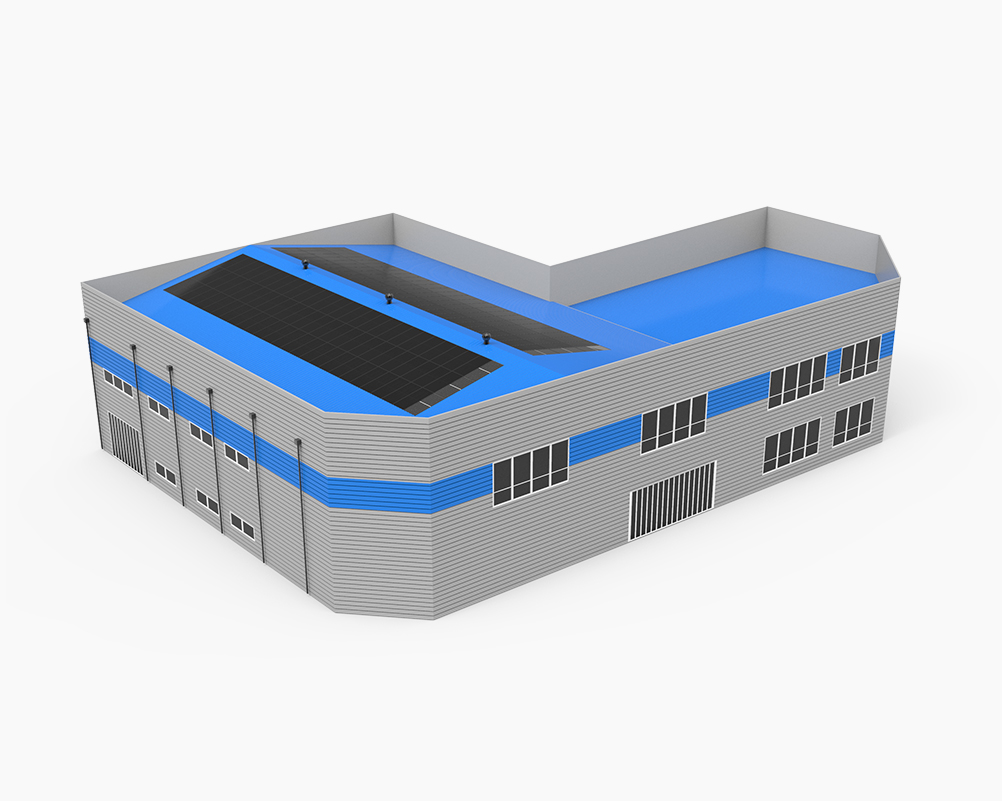
Energy Self-Sufficiency Project
This project aims to enhance energy supply stability and strengthen the energy competitiveness of tenant companies by establishing a foundation for activating distributed energy resources within industrial complexes.
- Applicant : Smart Green Industrial Complex
- Establishment of distributed energy infrastructure and stabilization of energy supply within the industrial complex
- Construction of a management system for distributed energy supply and demand management
- Support for carbon neutrality and RE100 implementation for tenant companies
- Installation of facilities related to profit-sharing for companies and workers within the industrial complex, as well as carbon reduction initiatives
Key Project Features
-
 Activation of Distributed EnergyEnhances supply stability by establishing distributed energy resources within industrial complexes
 -
 Energy Management System 구축Integrates and manages the entire process of energy production, storage, and consumption
 -
Support for RE100 and Carbon NeutralitySupports 100% renewable energy transition and ESG initiatives for industrial complexes and enterprises
-
 Profit ReinvestmentReturning profits to companies and workers within the industrial complex (Solar Income)
Process
-
01Project AnnouncementThe supervising organization announces the project.Supervising Organization
-
02Application & SubmissionEach implementing organization submits and registers the project application.Implementing Organization
-
03Site InspectionOn-site inspection is conducted to review site conditions and project suitability.Implementing Organization
-
04Eligibility ReviewThe Project Steering Committee reviews and evaluates project eligibility.Project Steering Committee
Energy Self-Sufficiency Infrastructure Components
-
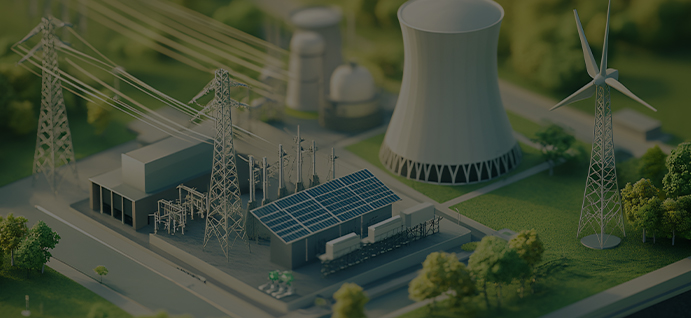
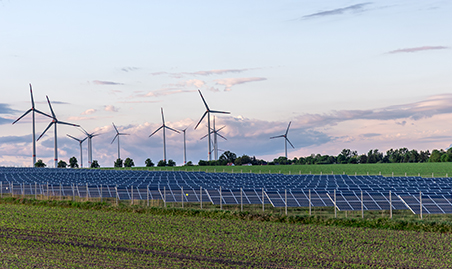 Renewable Energy Generation FacilitiesElectricity and heat are directly produced through solar power, wind power, fuel cells, and geothermal energy.
 -
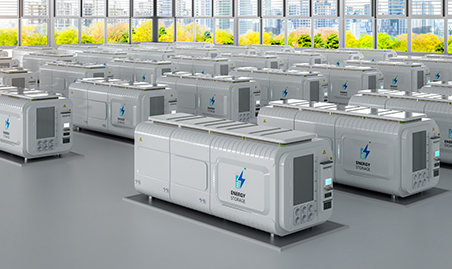 Energy Storage System (ESS)Stores surplus energy and discharges it when needed to ensure stable power supply.
 -
 Integrated Energy Management System (EMS)Monitors production, storage, and consumption in real time and optimizes overall energy flow.
 -
 Distributed Energy NetworkConnects multiple small-scale generators and ESS units to enhance regional energy self-sufficiency.
 -
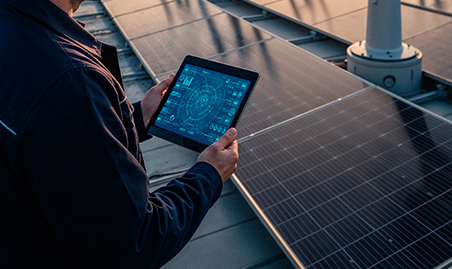 Smart Grid · Digital InfrastructureApplies IoT, big data, and AI technologies to enable predictive and intelligent energy operations.
 -
 RE100 · Carbon Neutrality Support FrameworkProvides the foundation for 100% renewable energy transition and carbon credit trading to support ESG management.
Benefits for Businesses
From reducing energy costs to achieving RE100 compliance and securing government incentives, this program delivers tangible advantages that strengthen corporate competitiveness.
-
 Operating Cost Reduction & Revenue GenerationBuild a revenue model through self-consumption of generated power and surplus electricity sales.
 -
 RE100 & ESG ComplianceStrengthen eco-friendly corporate image and respond to global supply chain requirements.
 -
 Government Support & IncentivesAccess policy benefits such as subsidies, tax incentives, and R&D grants.
 -
 Community Co-ProsperityEnhance regional energy self-sufficiency while creating social and environmental value.